
Blogs

How to Compare Rideshare Rental Insurance, Maintenance, and Mileage Terms in Washington, DC
Choosing a Rideshare Rental Washington option requires more than finding a vehicle that fits your weekly budget. Insurance, maintenance responsibilities, and mileage rules can have a major effect on what the rental actually costs and how easy it is to keep driving. In Washington, DC, where Uber and Lyft drivers may travel between the District, Maryland, and Northern Virginia every day, those three areas deserve careful attention before any agreement is signed.
The strongest rental plan is not necessarily the one with the lowest advertised price. It is the one whose terms match your work schedule, expected mileage, risk tolerance, and need for reliable support. Understanding how to compare these details can help drivers avoid hidden costs, reduce downtime, and make better financial decisions.
Start by Comparing the Rental as a Complete Package
Drivers often compare rental prices first, but the weekly rate does not show the full value of the agreement.
One provider may include insurance, routine maintenance, breakdown coverage, and roadside assistance. Another may advertise a lower weekly price but place more responsibility on the renter.
A Rideshare Rental should therefore be evaluated as a package rather than a vehicle alone.
Why the Fine Print Matters
The difference between two plans may appear small until something goes wrong. A driver who needs new tires, roadside assistance, or updated insurance documents may discover that one rental includes those services while another charges separately.
That is why drivers should understand exactly what they are paying for before comparing prices.
Insurance Should Be Reviewed First
Insurance can be one of the most confusing parts of a rideshare rental.
A provider may say that insurance is included, but drivers still need to know what the coverage actually means.
Understand the Deductible
The deductible is the amount the renter may be responsible for after a covered incident.
Two rental plans can both include insurance but have very different deductible amounts. That difference can have a major financial impact after an accident.
Drivers considering an uber rental Washington vehicle should ask how the deductible works, when it applies, and whether different types of damage are handled differently.
Ask About Personal Use
Rideshare vehicles are not always used exclusively while the app is active. Drivers may use the vehicle to commute, buy groceries, or complete personal errands.
The rental agreement should explain whether insurance applies during permitted personal use and whether any restrictions exist.
Never assume that coverage remains identical in every driving situation.
Understand How Rental Insurance and Platform Coverage Interact
Uber and Lyft may provide certain insurance protections during specific stages of rideshare activity. Rental coverage and platform coverage are not always the same thing.
A driver should know what happens when the app is off, when the driver is waiting for a request, when travelling to a passenger, and when a passenger is in the vehicle.
A professional Lyft Rental Washington provider should be able to explain the rental-side process clearly, even though the rideshare platform controls its own policies.
Drivers should also review current platform requirements directly because insurance rules can change.
Additional Drivers Need Their Own Coverage Review
Some rental programs allow additional approved drivers.
That flexibility can be useful, but it should be treated as an insurance issue as well as a convenience.
The agreement should explain whether the additional driver is covered, whether they must be named on the contract, and whether they are permitted to perform rideshare work.
Allowing an unauthorized person to drive may violate the rental agreement and create serious coverage problems.
Maintenance Terms Affect Reliability and Earnings
Insurance protects against certain risks, but maintenance helps keep the vehicle available for daily work.
A driver using a Car Rental for rideshare work can accumulate mileage much faster than a typical renter.
Find Out Who Pays for Routine Service
The rental agreement should clearly explain responsibility for oil changes, brake inspections, tire service, fluids, and scheduled maintenance.
Some providers include these services. Others may require the driver to follow a specific process or use approved service locations.
Drivers should know whether they need authorization before visiting a repair facility.
Ask How Maintenance Is Scheduled
Routine maintenance can become a form of downtime if it is poorly coordinated.
Drivers who work morning and evening rush periods may prefer service during midday hours or on a planned day off.
A rental provider that offers clear scheduling procedures can help make maintenance easier to manage without sacrificing an entire workday.
Tire and Brake Policies Deserve Special Attention
High-mileage rideshare driving places significant wear on tires and brakes.
Washington, DC drivers frequently deal with stop-and-go traffic, potholes, construction zones, tight city streets, and longer highway trips.
Drivers comparing rideshare rental companies should ask who pays for tire replacement, what happens after a puncture, and how brake concerns are handled.
A plan that includes routine maintenance but excludes common wear items may have a different value than one with broader support.
Breakdown Coverage Is Different From Routine Maintenance
Maintenance handles predictable service needs. Breakdown coverage addresses unexpected problems.
Drivers should understand whether the rental plan includes help if the vehicle suddenly becomes undrivable.
Ask What Happens After a Mechanical Failure
A good rental agreement should explain who to contact, whether towing is covered, where the vehicle will be repaired, and what happens if service takes more than a day.
Someone looking for a Cheap Rideshare Rental should consider the potential cost of downtime as part of the comparison.
A lower weekly rate may not be the better choice if weak breakdown support causes lost driving time.
Roadside Assistance Adds Practical Protection
Roadside assistance can help with problems that may not require major repairs but can still stop a shift.
These may include a dead battery, flat tire, lockout, or towing need.
Drivers searching for a Rideshare Rental Near Me should ask whether assistance is available 24/7 and whether additional fees apply.
This is especially important for drivers who work late nights, weekends, or early airport shifts.
Mileage Terms Can Completely Change the Cost
Mileage rules are one of the biggest factors in rideshare rental economics.
A weekly price can appear affordable until overage charges begin.
Estimate Your Real Mileage
Drivers should calculate more than passenger mileage.
Real weekly mileage can include trips to passenger pickups, repositioning, airport driving, returning from distant destinations, personal use, and driving to maintenance appointments.
A full-time driver may cover far more miles than expected.
Unlimited Mileage Is Not Always Automatically Better
Unlimited mileage can provide peace of mind, especially for high-mileage drivers, but it may come with a higher weekly rental price.
A lower-cost plan with a mileage allowance may be a better fit for someone driving only part time.
The right choice depends on expected use.
Compare Mileage Overages Carefully
If a rental plan includes a mileage cap, the overage rate matters just as much as the allowance.
For example, a driver who exceeds the weekly limit by several hundred miles could face a meaningful extra charge.
Before choosing a Car Rental Washington plan, calculate how much the rental would cost if your mileage runs 10 percent, 20 percent, or even 30 percent above your estimate.
That gives a more realistic picture of financial risk.
Regional Driving Should Be Included in Your Mileage Analysis
Washington, DC rideshare work is regional by nature.
A driver may begin in the District and end the shift in Arlington, Alexandria, Bethesda, Silver Spring, Fairfax, or Rockville.
Airport trips can add even more distance.
Dulles and BWI routes may create longer passenger mileage and unpaid return travel.
The rental agreement should make clear whether regional and interstate travel is permitted and whether those miles count differently.
Match the Terms to Your Driving Style
The best rental agreement depends on how you actually work.
Part-Time Drivers
Part-time drivers may prioritize lower weekly costs and flexible cancellation more than unlimited mileage.
If they drive only a few days per week, a capped mileage plan may still be practical.
Full-Time Drivers
Full-time drivers may place greater value on unlimited or generous mileage, stronger maintenance support, and 24/7 roadside assistance.
They are more exposed to wear, fuel costs, and downtime because the vehicle is used more heavily.
A rental that works well for one driver may be inefficient for another.
Compare the True Weekly Cost
Drivers should combine insurance, maintenance, and mileage into one financial picture.
Imagine one rental has a lower weekly rate but includes a high deductible, limited mileage, and less maintenance support. Another costs more each week but includes broader services and a mileage policy better suited to full-time driving.
The second plan may ultimately provide better value.
A reliable Car Rental Near Me should make it possible for drivers to understand the complete cost before signing.
Look for Clear Written Terms
Verbal promises should not replace contract language.
The agreement should clearly explain insurance, maintenance, mileage, roadside assistance, breakdown coverage, regional travel, and driver responsibilities.
If an important promise is missing from the written agreement, ask for clarification before paying.
Transparency is one of the strongest signs of a professional rental provider.
Use Real-World Questions to Compare Providers
Instead of asking only general questions, use practical scenarios.
Ask what happens if the vehicle gets a flat tire on a Saturday night. Ask who pays if an oil change is due. Ask how much you would owe if you exceed the mileage limit by 200 miles. Ask how the deductible works after an accident.
These questions reveal the real differences between rental plans much faster than simply asking for the weekly price.
Quick Answer: What Should Drivers Compare Most Carefully?
Washington, DC rideshare drivers should compare insurance deductibles and coverage, maintenance responsibilities, breakdown support, roadside assistance, weekly mileage allowances, overage fees, and regional travel rules.
The best rental is one whose terms fit the driver’s expected schedule and mileage without creating unnecessary financial surprises.
Why Drivers Choose C4R Solutions Rideshare Rentals
C4R Solutions Rideshare Rentals provides flexible options for Uber and Lyft drivers throughout Washington, DC and nearby communities in Maryland and Virginia.
The rental experience includes insurance, maintenance, breakdown coverage, 24/7 roadside assistance, toll-road-ready vehicles, additional drivers, drop-off and pickup, cancel-anytime flexibility, and 24/7 customer support.
These services can help drivers manage vehicle-related costs and interruptions more predictably throughout the rental period.
Choose Terms That Fit the Way You Actually Drive
The best rideshare rental agreement is not necessarily the cheapest or the most comprehensive. It is the one that aligns with your mileage, work schedule, financial priorities, and need for dependable support.
Compare insurance carefully, understand who handles maintenance, and calculate how the mileage policy affects your real weekly cost.
C4R Solutions Rideshare Rentals offers flexible, rideshare-ready vehicles for drivers throughout the Washington, DC metro area. Contact the team to review current availability and choose a rental plan that fits your driving habits and weekly budget.
Business Information
C4R Solutions Rideshare Rentals
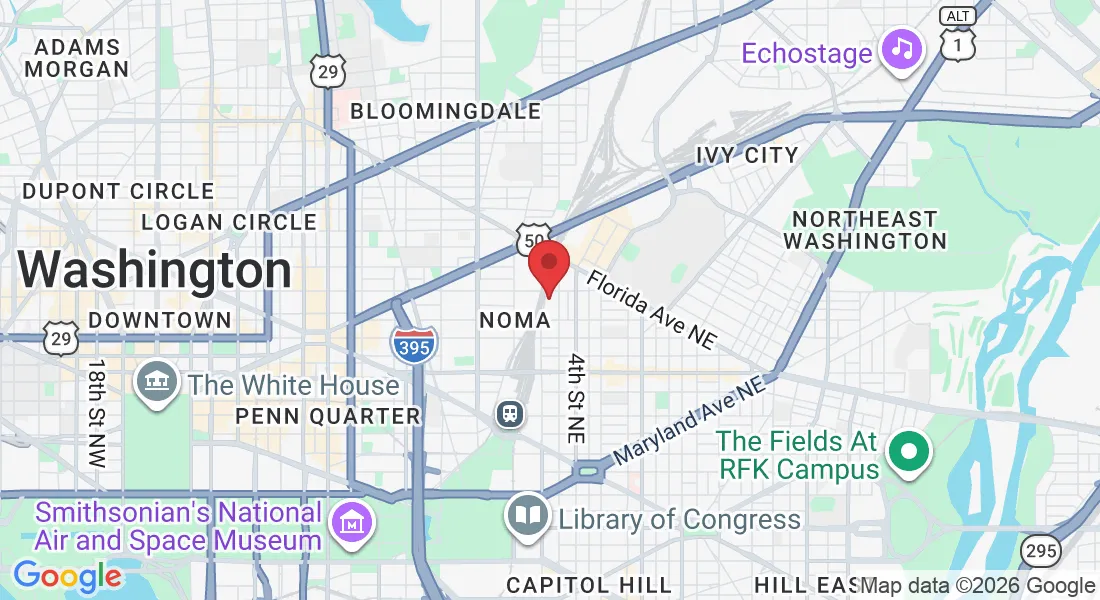
1140 3rd St NE Washington, DC 20002, USA
Phone: +1 (888) 807-9886

C4R Solutions Rideshare Rentals offers affordable and reliable car rental and rideshare rental services in Washington, DC. We provide flexible options for personal use and Uber or Lyft drivers, with well-maintained vehicles, competitive pricing, and simple booking to get you on the road fast.
Business Hours
6:00 AM – 11:00 PM
Monday-Sunday
Copyright C4R Solutions Rideshare Rentals © 2025 | Privacy Policy | Terms of Service
Powered by Sitefulia