
Blogs

How to Reduce Rideshare Driving Costs in Washington, DC Without Sacrificing Vehicle Reliability
A dependable Rideshare Rental Washington option should help drivers control weekly expenses without forcing them to compromise on vehicle condition, safety, or support. In Washington, DC, rideshare costs can add up quickly because of fuel, tolls, parking, cleaning, mileage, and frequent stop-and-go traffic. The challenge is not simply finding the lowest-priced vehicle. It is choosing a rental and driving strategy that keeps operating costs manageable while helping you stay on the road consistently.
The most effective way to reduce costs is to look at the full picture: vehicle efficiency, included services, mileage policies, maintenance, downtime risk, toll use, and your actual driving schedule. Small improvements in each area can make a meaningful difference over a full week.
Start With the Total Cost of the Rental
The advertised rental rate is only one part of your weekly operating cost.
Compare What Is Included
Before choosing a Rideshare Rental, ask whether the plan includes:
Insurance
Routine maintenance
Breakdown coverage
Roadside assistance
Toll-road access
Additional drivers
Pickup and drop-off
Customer support
Flexible cancellation
A lower weekly rate may not be the better deal if important services are charged separately.
Drivers comparing rideshare rental companies should ask for a complete breakdown of both required and potential fees before signing.
Watch for Extra Charges
Possible additional costs may include:
Security deposits
Mileage overages
Toll-processing fees
Cleaning fees
Late payment charges
Fuel replacement fees
Damage deductibles
Early return charges
Vehicle delivery fees
A Cheap Rideshare Rental should provide good total value, not just a low headline price.
Choose a Fuel-Efficient Vehicle
Fuel is one of the largest ongoing expenses for Uber and Lyft drivers.
Washington, DC driving often involves idling, short trips, heavy congestion, frequent braking, and slow traffic. These conditions can increase fuel consumption significantly.
Prioritize Practical Efficiency
Compact and midsize vehicles can often offer a useful balance between:
Passenger comfort
Trunk space
Fuel economy
Easy parking
Lower operating costs
Drivers selecting an uber rental Washington vehicle should ask about typical city fuel economy, not just highway ratings.
Avoid Paying for More Vehicle Than You Need
A larger vehicle may offer more space but can also increase:
Fuel use
Rental cost
Parking difficulty
Cleaning time
Unless your strategy depends heavily on airport passengers or larger groups, a smaller vehicle may be more economical.
Reduce Unpaid Mileage
Not every mile generates revenue.
Drivers often spend money travelling between busy zones, returning from long-distance drop-offs, or chasing demand that may disappear before they arrive.
Track Dead Miles
Dead mileage can include:
Driving to your preferred area
Returning from distant trips
Repositioning between requests
Airport queue travel
Personal driving
Driving to maintenance appointments
Someone using a Lyft Rental Washington vehicle should track both paid and unpaid miles to understand the true cost of each shift.
Set Repositioning Limits
Avoid driving long distances toward a surge or busy area unless the expected return justifies the fuel and time.
A simple rule, such as limiting unpaid repositioning to a set distance, can help control costs.
Use Toll Roads Strategically
Washington, DC drivers may encounter toll routes in Maryland and Northern Virginia.
Tolls can save time, but they can also reduce trip profit if used automatically.
Compare Time Saved Against Cost
Before choosing a toll route, consider:
Toll amount
Time saved
Current traffic
Passenger fare
Chance of another request at the destination
Return route
A toll-road-ready Car Rental Washington vehicle provides convenience, but drivers should still decide whether each toll makes financial sense.
Understand the Rental Toll Policy
Ask:
Is a transponder included?
Are administrative fees added?
When are tolls billed?
Can a personal toll account be used?
How are disputes handled?
Small processing fees can add up over many trips.
Avoid Costly Mileage Overages
Mileage policies can have a major impact on weekly expenses.
Read the Limit Carefully
Before booking a Rideshare Rental Near Me, confirm:
Whether mileage is unlimited
The weekly allowance
The overage fee
Whether personal use counts
Whether interstate travel is allowed
How mileage is recorded
A low-priced rental with restrictive mileage may cost more than a higher-priced option with better terms.
Match the Plan to Your Work Style
A part-time driver may be comfortable with a lower mileage allowance. A full-time driver working airports and longer routes may need more flexibility.
Choose based on realistic usage rather than the cheapest advertised plan.
Prevent Breakdowns With Routine Maintenance
Cutting maintenance is one of the worst ways to reduce costs.
A poorly maintained vehicle can lead to:
Lost working hours
Towing
Mechanical failure
Tire damage
Higher fuel use
Passenger complaints
Safety issues
Follow the Service Schedule
A professional Car Rental provider should have a clear process for:
Oil changes
Tire checks
Brake inspections
Fluid service
Warning-light diagnostics
Routine safety checks
Drivers should report problems early instead of waiting for the vehicle to become undrivable.
Pay Attention to Small Warning Signs
Report:
Tire-pressure warnings
Slow battery starts
Unusual vibrations
Weak braking
Fluid leaks
Dashboard alerts
Changes in fuel economy
A small issue addressed quickly is usually less disruptive than a breakdown during a busy shift.
Reduce Downtime by Choosing Better Support
Vehicle reliability also depends on what happens when something goes wrong.
Ask About Roadside Assistance
Drivers should know:
Whether roadside support is available 24/7
Whether towing is covered
How quickly assistance can be requested
Who authorizes repairs
Whether replacement options may be available
A provider that charges slightly more but offers dependable support may ultimately cost less than one with a lower rate and weak assistance.
Drive During Higher-Value Hours
Reducing costs is not only about spending less. It is also about using your operating expenses more efficiently.
Avoid Low-Productivity Shifts
A driver who spends $20 on fuel during a weak period may earn less than someone who uses the same amount during a stronger demand window.
Potentially productive periods can include:
Morning commutes
Evening rush hours
Weekend nights
Airport travel periods
Major events
Conferences
Holidays
Bad weather
Transit disruptions
Track earnings per hour and earnings per mile to identify your strongest periods.
Use Airport Trips Carefully
Airport rides can generate higher fares, but they may also involve longer mileage, tolls, waiting, and unpaid return travel.
Calculate the Complete Trip Cost
For airport work, consider:
Fuel
Toll charges
Queue time
Pickup distance
Return mileage
Luggage needs
Rental mileage limits
A long trip to Dulles or BWI may look attractive based on the fare but produce lower net profit if the driver returns empty.
Airport driving should be evaluated based on net earnings, not fare size alone.
Protect Fuel Economy With Simple Habits
Driving style can affect weekly fuel costs.
Use Smooth Driving Habits
Helpful practices include:
Accelerate gradually
Avoid hard braking
Maintain steady speeds when possible
Limit unnecessary idling
Keep tires properly inflated
Remove unnecessary weight
Combine personal errands with planned routes
These small habits can improve efficiency without changing the vehicle.
Keep Parking Costs Under Control
Parking and citations can quickly reduce weekly profit in Washington, DC.
Avoid Paying to Wait
Be cautious about sitting in paid garages or metered areas while waiting for requests.
Use legal waiting zones whenever possible and avoid blocking:
Bus stops
Bike lanes
Loading zones
Crosswalks
Restricted curbs
A single parking citation can erase the profit from several completed trips.
Maintain the Vehicle Without Overspending on Cleaning
Passengers expect a clean vehicle, but keeping it presentable does not require expensive detailing every few days.
Build a Simple Cleaning Routine
Keep basic supplies for:
Vacuuming
Interior wipe-downs
Window cleaning
Odor control
Small spills
Floor mats
Regular light cleaning is usually more cost-effective than allowing dirt to build up and paying for intensive cleaning later.
Track Every Expense
Drivers cannot reduce costs they are not measuring.
Use a Simple Weekly Record
Track:
Rental payment
Fuel
Tolls
Parking
Cleaning
Mileage overages
Phone expenses
Other operating costs
Gross earnings
Net income
Drivers searching for a Car Rental Near Me should calculate whether the complete rental arrangement supports their desired take-home income.
Calculate Cost Per Mile
Divide your weekly operating expenses by total miles driven.
Tracking cost per mile over several weeks can show whether:
Fuel efficiency is improving
Toll use is increasing
A different rental plan would be more economical
Too much unpaid mileage is reducing profit
Build a Small Emergency Reserve
Even with insurance, maintenance, and breakdown coverage, drivers may encounter expenses that are not included.
Set aside a portion of weekly earnings for:
Deductibles
Parking or traffic costs
Unexpected downtime
Toll adjustments
Personal emergencies
Income fluctuations
A modest reserve can help prevent one unexpected expense from disrupting the entire week.
Do Not Sacrifice Reliability for the Lowest Price
A reliable vehicle is essential to rideshare income.
The cheapest option can become expensive if it creates:
Frequent breakdowns
Poor fuel economy
Missed shifts
Uncomfortable passengers
Maintenance delays
Limited support
Unexpected fees
The better question is not, “Which rental costs the least?” It is, “Which rental helps me keep the most after expenses?”
Quick Answer: How Can Rideshare Drivers Reduce Costs?
Washington, DC rideshare drivers can reduce costs by choosing a fuel-efficient vehicle, limiting unpaid mileage, using toll roads selectively, avoiding mileage overages, driving during stronger demand periods, following maintenance schedules, and tracking every operating expense. The goal is to lower cost per mile without sacrificing vehicle reliability or support.
Why Drivers Choose C4R Solutions Rideshare Rentals
C4R Solutions Rideshare Rentals provides flexible vehicle options for Uber and Lyft drivers throughout Washington, DC and nearby communities in Maryland and Virginia.
Available features include:
Insurance included
Maintenance support
Breakdown coverage
24/7 roadside assistance
24/7 customer support
Toll-road-ready vehicles
Additional drivers allowed
Drop-off and pickup
Cancel-anytime flexibility
These features can help drivers manage operating costs while maintaining access to dependable transportation.
Lower Costs Without Compromising Your Ability to Earn
The most sustainable way to save money is to reduce inefficient spending without sacrificing the vehicle, maintenance, or support that keeps you working. Fuel economy, mileage strategy, toll management, preventive maintenance, and careful expense tracking can all improve weekly profitability.
C4R Solutions Rideshare Rentals offers rideshare-ready vehicles with flexible terms and practical support for Washington, DC drivers. Contact the team today to check availability and find a rental option that fits your routes, schedule, and weekly budget.
Business Information
C4R Solutions Rideshare Rentals
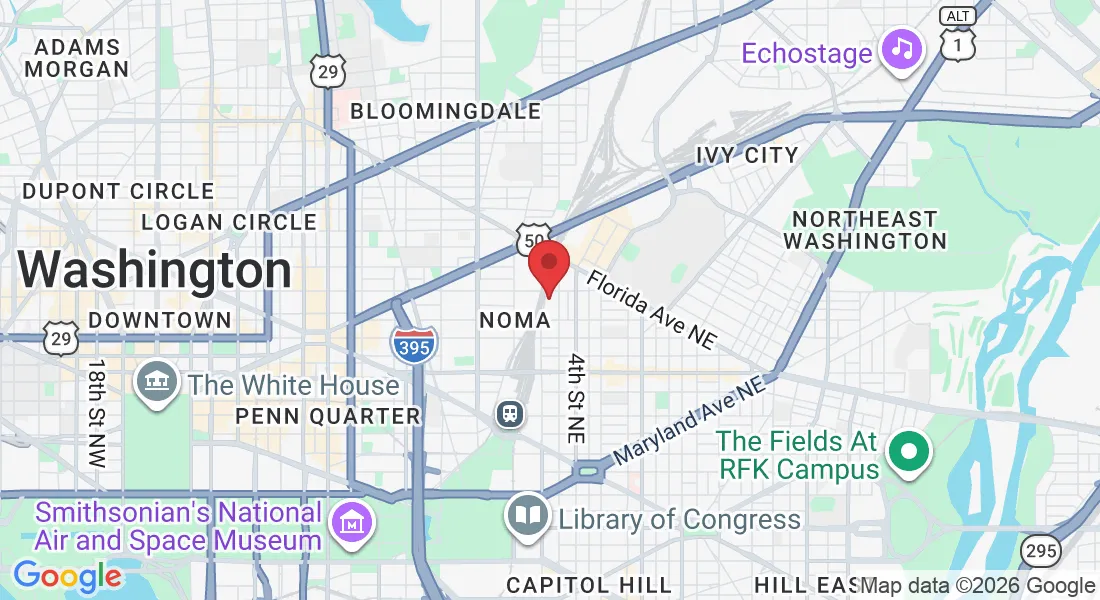
1140 3rd St NE Washington, DC 20002, USA
Phone: +1 (888) 807-9886

C4R Solutions Rideshare Rentals offers affordable and reliable car rental and rideshare rental services in Washington, DC. We provide flexible options for personal use and Uber or Lyft drivers, with well-maintained vehicles, competitive pricing, and simple booking to get you on the road fast.
Business Hours
6:00 AM – 11:00 PM
Monday-Sunday
Copyright C4R Solutions Rideshare Rentals © 2025 | Privacy Policy | Terms of Service
Powered by Sitefulia