Blogs
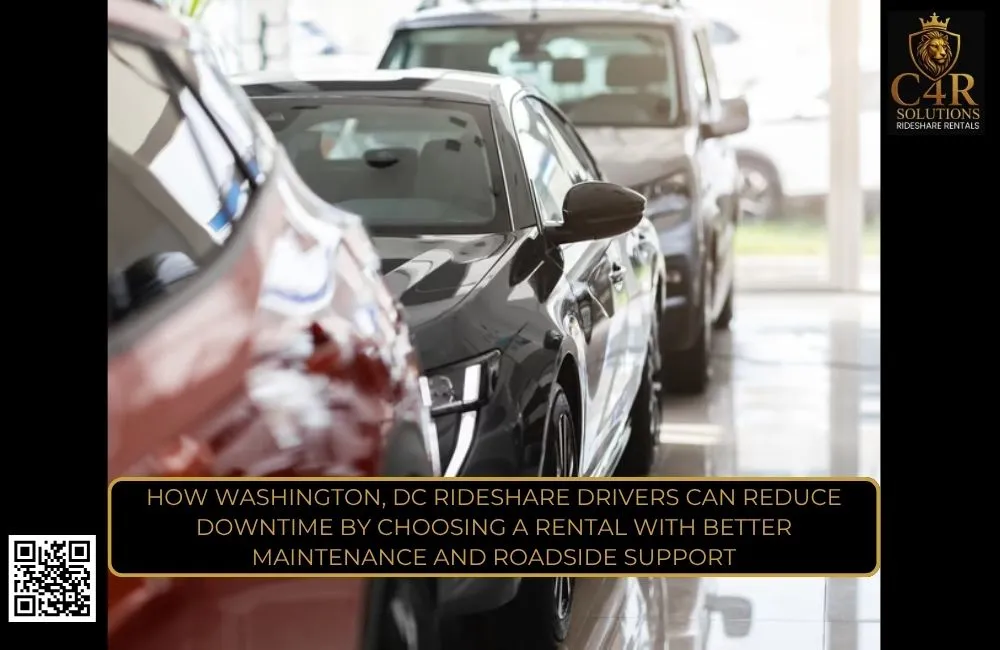
How Washington, DC Rideshare Drivers Can Reduce Downtime by Choosing a Rental With Better Maintenance and Roadside Support
For drivers using a Rideshare Rental Washington vehicle, downtime can be one of the biggest threats to weekly earnings. A flat tire, warning light, battery issue, or delayed repair can quickly turn a productive day into hours of lost driving time. In a busy market like Washington, DC, where drivers may work across the District, Maryland, and Northern Virginia, choosing a rental with dependable maintenance and roadside support can make a meaningful difference.
The right rental should not simply provide a car. It should give drivers a clear process for routine service, unexpected breakdowns, roadside emergencies, documentation, and customer support. When those systems work well, drivers can spend more time accepting trips and less time solving vehicle problems.
Downtime Is More Than a Mechanical Problem
When a personal vehicle needs repairs, the inconvenience is obvious. For an Uber or Lyft driver, however, downtime also has an income consequence.
Every hour spent waiting for service can mean fewer:
Passenger trips
Airport runs
Peak-hour requests
Weekend rides
Bonuses or incentives
Opportunities during high-demand periods
A dependable Rideshare Rental program should therefore be evaluated partly by how well it helps drivers handle interruptions.
Reliability Supports a More Predictable Week
No provider can guarantee that a vehicle will never experience a problem. What matters is whether the driver knows what to do when something happens.
A well-supported rental should make it easy to answer questions such as:
Who do I contact if a warning light appears?
Where is maintenance performed?
Is roadside assistance available after business hours?
Who pays for routine maintenance?
What happens if the vehicle cannot be repaired quickly?
Is towing included?
Clear procedures can turn a confusing situation into a manageable one.
Preventive Maintenance Is the First Defense Against Downtime
The most effective way to reduce many mechanical disruptions is to address routine maintenance before small problems become serious.
Drivers often accumulate substantial mileage because rideshare work includes both passenger trips and unpaid repositioning.
Important Maintenance Areas
Regular service may involve:
Oil and filter changes
Tire inspections
Brake checks
Fluid levels
Battery condition
Engine diagnostics
Scheduled inspections
Warning-light checks
When comparing rideshare rental companies, drivers should ask whether these services are included and how they are scheduled.
Maintenance Should Fit Around Driving Hours
A driver who works morning and evening rush periods may not want a routine oil change scheduled during the most productive part of the day.
Ask whether service can be arranged during:
Slower weekday periods
Planned days off
Midday hours
Prearranged appointments
Good coordination can reduce the amount of earning time lost to normal servicing.
Roadside Assistance Matters When Problems Happen Away From Home
Routine maintenance can reduce mechanical risk, but unexpected problems still happen.
A driver may experience a flat tire in Arlington, a battery issue in Bethesda, or a mechanical warning while returning from Dulles.
24/7 Support Is Especially Valuable
Drivers using an uber rental Washington vehicle may work early mornings, late nights, weekends, and holidays.
A roadside program limited to standard office hours may not match the realities of rideshare work.
Useful services may include:
Towing
Battery jump-starts
Flat tire support
Lockout assistance
Emergency vehicle recovery
Breakdown response
Drivers should save the roadside assistance number before starting their first shift.
Ask What Happens After Roadside Assistance Arrives
Getting the vehicle off the road is only the first step.
Drivers should also understand what happens next.
Know the Repair Process
Before signing, ask:
Where will the vehicle be taken?
Who approves the repairs?
Does the rental provider pay?
Can the driver choose the repair facility?
What documentation is required?
Will the weekly rental charge continue?
Is another vehicle available if repairs take longer?
A Cheap Rideshare Rental may look attractive initially, but weak breakdown support can make that savings disappear quickly if the car is unavailable for an extended period.
Replacement Vehicle Policies Deserve Special Attention
Many drivers assume that another vehicle will be provided immediately after a breakdown. That is not always the case.
Replacement availability can depend on:
Fleet inventory
Cause of the mechanical issue
Accident circumstances
Insurance review
Driver responsibility
Vehicle eligibility
Before accepting a Lyft Rental Washington vehicle, ask how replacements are handled and whether the replacement must be approved separately by the rideshare platform.
Do Not Build Earnings Plans Around Assumptions
If your budget depends on driving six days per week, even one lost day can affect your financial target.
Knowing the replacement policy helps you understand how much downtime risk you are accepting.
Tire Support Is Especially Important for High-Mileage Drivers
Tires are one of the most common areas of wear for rideshare vehicles.
Frequent city driving, potholes, construction zones, highway trips, and curbside pickups can all contribute to tire problems.
Drivers Should Watch for:
Low tire pressure
Uneven tread wear
Sidewall damage
Vibrations
Pulling while driving
Tire-pressure warning lights
A professional Car Rental Washington provider should clearly explain who handles tire inspections, punctures, replacements, and emergency roadside situations.
Ignoring a tire problem can lead to more expensive damage or a dangerous roadside failure.
Brake Maintenance Matters in DC Traffic
Washington, DC involves frequent braking because of:
Congestion
Pedestrian crossings
Traffic lights
Stop-and-go commuter traffic
Bus lanes
Construction
Sudden lane changes
Brake wear can therefore be an important maintenance concern.
Report Changes Immediately
Drivers should not ignore:
Grinding
Squealing
Soft brake pedal
Vibration while braking
Longer stopping distances
Brake warning lights
The sooner a concern is reported, the easier it may be to resolve before it causes extended downtime.
Dashboard Alerts Should Never Be Treated as Background Noise
A warning light does not always mean the vehicle must immediately stop operating, but it should never be ignored.
Drivers should know who to contact when they see alerts involving:
Engine performance
Tire pressure
Oil pressure
Battery
Brakes
Coolant temperature
ABS
Traction control
Someone searching for a Rideshare Rental Near Me should ask the provider what procedure drivers follow when warning lights appear.
A clear process can prevent drivers from either continuing unsafely or losing an entire workday unnecessarily.
Customer Support Can Reduce Administrative Downtime Too
Not every interruption is mechanical.
Drivers can also lose time because of:
Insurance document requests
Registration updates
Billing questions
Toll disputes
Additional driver approvals
Rental extensions
Return instructions
Fast Answers Help Drivers Stay Active
A rental provider with 24/7 customer support can help resolve issues outside standard business hours.
For example, if a rideshare platform requests updated insurance documents, a slow response from the rental provider may temporarily prevent the driver from accepting trips.
Support quality should therefore be evaluated just as carefully as vehicle condition.
Insurance Support Matters After an Accident
A collision can create more downtime than a routine mechanical issue.
Drivers should know the accident procedure before getting behind the wheel.
Ask These Questions Before Signing
Is insurance included?
What deductible applies?
Who should be contacted first?
Are additional approved drivers covered?
What happens if the vehicle is damaged?
Is towing included?
What documentation is required?
How does the rental provider coordinate with the rideshare platform?
A standard Car Rental may have different insurance terms than a vehicle specifically intended for rideshare work, which is why drivers should verify coverage instead of making assumptions.
Toll-Ready Vehicles Can Reduce Route Interruptions
Washington-area drivers often travel between DC, Maryland, and Virginia.
Toll roads may be part of:
Airport trips
Commuter routes
Longer regional rides
Time-sensitive passenger requests
A toll-road-ready vehicle can simplify these trips, but drivers should still understand the billing system.
Ask whether:
A transponder is installed
Administrative fees apply
Toll charges are billed weekly
A personal toll account can be used
Disputes can be reviewed
Clear toll procedures reduce billing issues that can become another source of unnecessary time and frustration.
Daily Vehicle Checks Can Prevent Lost Hours
The rental company handles maintenance, but drivers also have a role in reducing avoidable downtime.
A Two-Minute Check Can Help
Before starting a shift, look at:
Tire pressure
Warning lights
Fuel level
Headlights
Turn signals
Windshield
Mirrors
Brakes
Air conditioning
Unusual noises
These checks do not replace professional maintenance, but they can help drivers identify concerns before passengers are in the vehicle.
Match Support Quality to Your Work Schedule
Not every driver needs the same level of support.
Part-Time Drivers
Someone driving only a few evenings per week may prioritize:
Flexible cancellation
Simple maintenance procedures
Reliable roadside assistance
Full-Time Drivers
Someone working daily may place greater importance on:
24/7 customer support
Fast maintenance scheduling
Breakdown coverage
High vehicle reliability
Replacement options
Toll readiness
Drivers searching for a Car Rental Near Me should choose support services based on how heavily they depend on the vehicle for income.
Questions That Reveal Whether a Rental Is Truly Driver-Friendly
Instead of asking only about weekly price, ask scenario-based questions.
For example:
What happens if the car breaks down at midnight in Alexandria?
What should I do if the check-engine light comes on during a shift?
Who handles tire replacement?
How quickly can updated insurance documents be provided?
What happens if maintenance takes longer than expected?
Can I get help outside normal business hours?
Specific answers reveal much more about a rental program than general marketing claims.
What Support Helps Reduce Rideshare Downtime?
The most useful services are preventive maintenance, breakdown coverage, 24/7 roadside assistance, responsive customer support, clear insurance procedures, document support, and well-defined repair policies.
These services do not eliminate every interruption, but they can help drivers respond faster and reduce the amount of time lost when something goes wrong.
Why C4R Solutions Rideshare Rentals Is Built Around Driver Support
C4R Solutions Rideshare Rentals serves drivers throughout Washington, DC and surrounding Maryland and Virginia communities.
Available features include:
Maintenance
Breakdown coverage
24/7 roadside assistance
24/7 customer support
Insurance included
Toll-road-ready vehicles
Additional drivers allowed
Drop-off and pickup
Cancel-anytime flexibility
These services give drivers a support structure designed to help keep their rental usable and their schedule easier to manage.
Choose Support Before You Need It
The best time to evaluate maintenance and roadside support is before a breakdown happens. Drivers should compare how quickly a provider responds, what services are included, how repairs are handled, and what happens if a vehicle becomes unavailable.
A dependable rideshare rental should help drivers manage both routine maintenance and unexpected problems without adding unnecessary confusion.
C4R Solutions Rideshare Rentals offers rideshare-ready vehicles backed by practical support for Washington, DC drivers. Contact the team to check availability and choose a rental plan designed around reliability, flexibility, and staying on the road.
C4R Solutions Rideshare Rentals
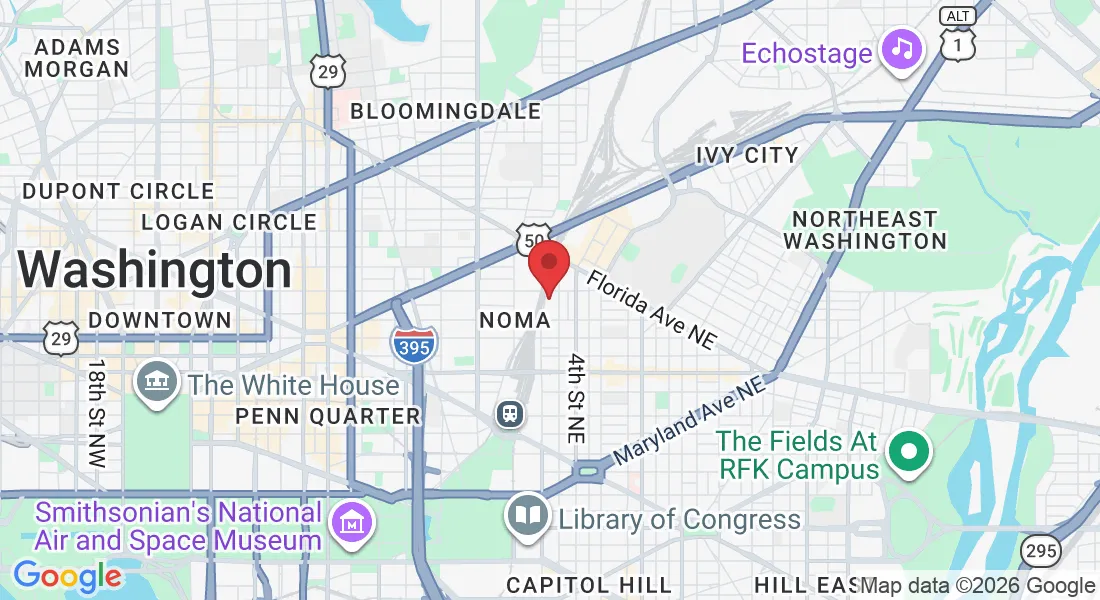
1140 3rd St NE
Washington, DC 20002, USA
Phone: +1 (888) 807-9886

C4R Solutions Rideshare Rentals offers affordable and reliable car rental and rideshare rental services in Washington, DC. We provide flexible options for personal use and Uber or Lyft drivers, with well-maintained vehicles, competitive pricing, and simple booking to get you on the road fast.
Business Hours
6:00 AM – 11:00 PM
Monday-Sunday
Copyright C4R Solutions Rideshare Rentals © 2025 | Privacy Policy | Terms of Service
Powered by Sitefulia